Poetry as a voice against racism
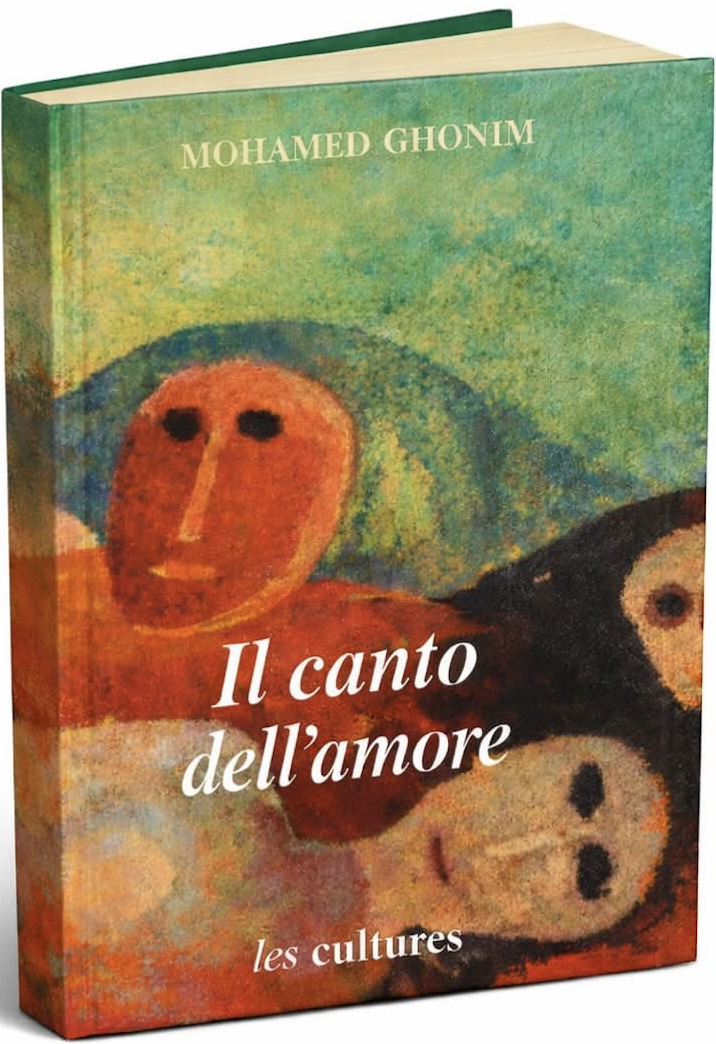
Il canto dell'amore, published by Les Cultures in 1997, was created at a particularly significant moment: the European Year against Racism and Xenophobia proclaimed by the European Parliament. Les Cultures entrusted Mohamed Ghonim’s words with contributing, through poetry, to reflection against every form of discrimination.
At the heart of the collection is a conception of love that moves beyond the individual and sentimental to become a universal language. Poetry becomes a space where personal experience meets that of others, questioning the distances created by origin, culture and social condition.
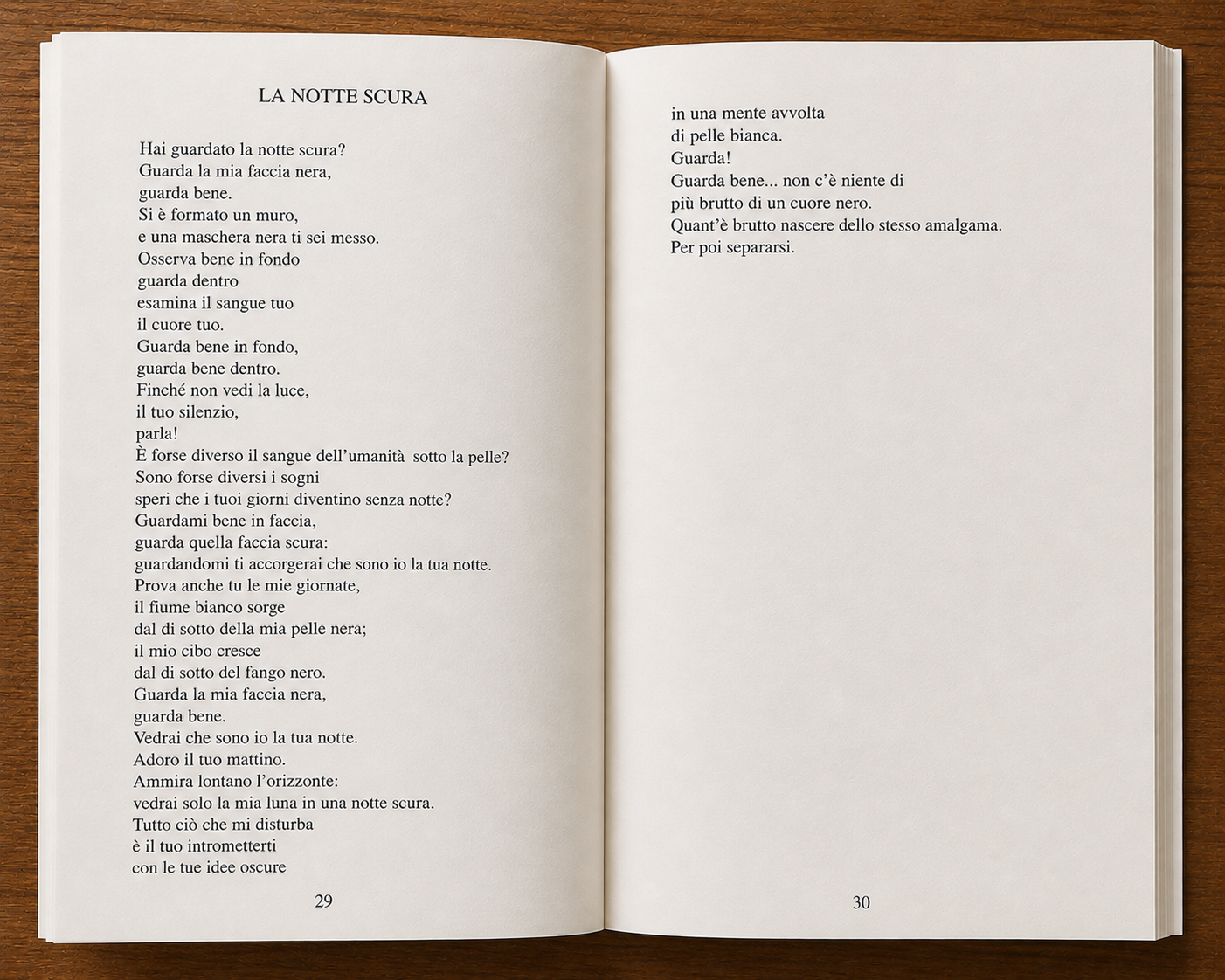
Among the most significant poems is The Dark Night, closely linked to Les Cultures’ commitment against racism and regarded as one of the association’s emblematic texts. Through powerful images and deep humanity, Ghonim brings into poetry the themes of human dignity and the need to recognize one another beyond difference.
The collection anticipates themes that recur in the author’s later poetry: memory, identity, solitude, migration and the search for genuine dialogue between cultures.